 wondarchive

 Français
 Deutsch
 Español
 Italiano
 Nederlands
 Português
 Polski
 Čeština
 Magyar
 Svenska
 Ελληνικά
 Русский
 Latina
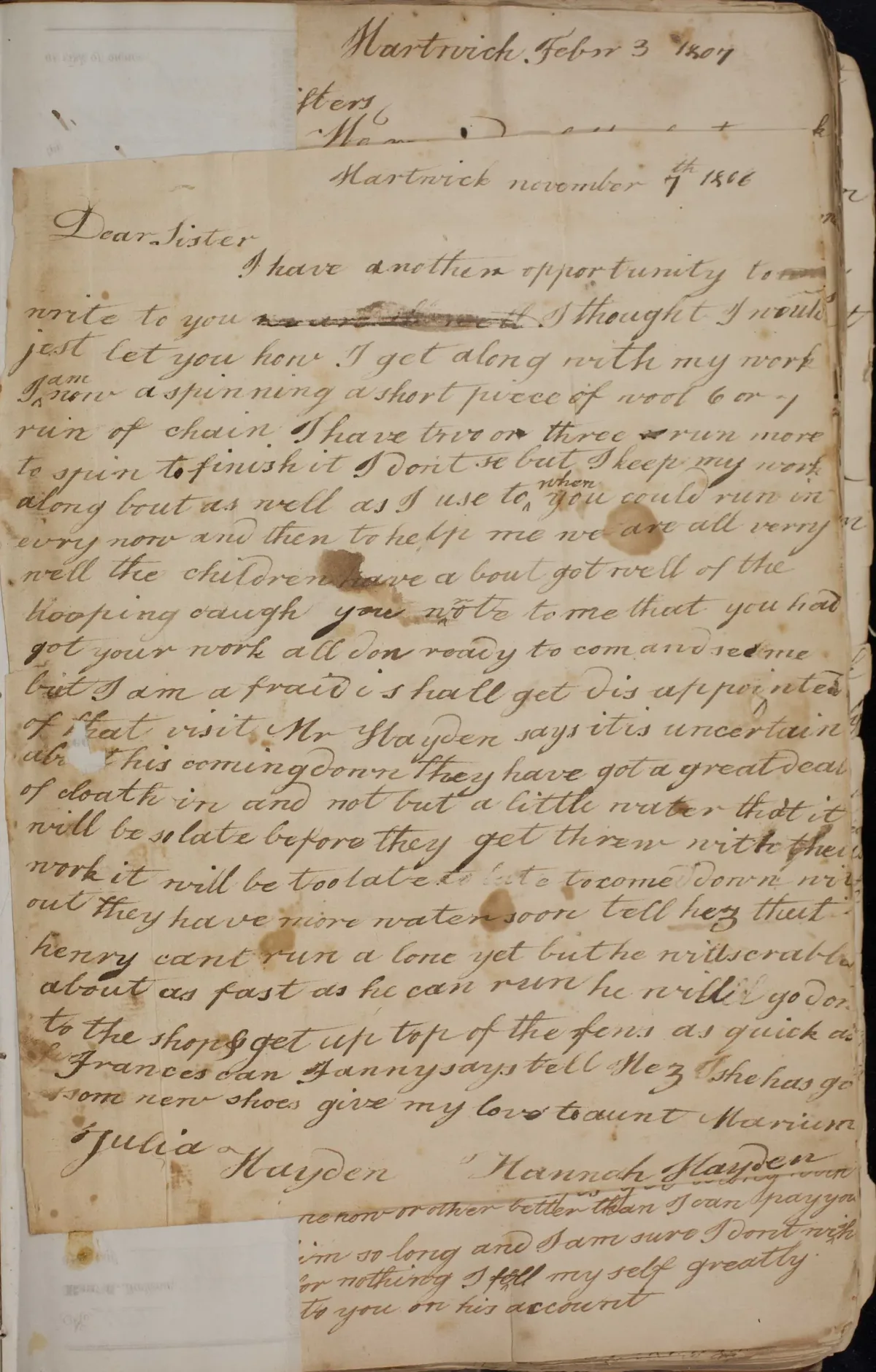
Handwriting, by extra-strength reread
Cursive hands from the 17th to the 20th century, in French as in other languages, go through an extra-strength reread before being transcribed.
A name to check against the photo
A surname or place name picked up stays worth checking against the image, displayed next to the text: old spelling varies from one record to the next.
Searching a name across a whole register
A surname is searched across all deposited pages, rather than leafing record by record.
Registers from every parish and town hall
- Parish registers of baptisms, marriages and burials
- Civil status records of birth, marriage and death
- Ten-year indexes and alphabetical directories
- Handwritten censuses and nominal lists
- Marriage contracts and post-mortem inventories
- Military service registers
The account takes a minute to open, a hundred pages free for a year.
Are very old handwritten records read?
An extra-strength reread reads cursive writing in the common European languages and the Latin, Cyrillic and Greek alphabets. The surest way is to judge on your own registers, with the 100 free pages. A name is always worth checking against the photo.
How do you search a surname across several registers?
Search covers the whole deposited fonds, not just the register open, and surfaces indexed spelling variants.
Do slightly crooked photos of a bound register cause problems?
No: straightening happens before transcription, on your machine as on the server.
What does genealogical work cost?
From €39.99 incl. VAT a year for 5,000 credits, i.e. 2,500 pages transcribed; €99.99 incl. VAT for 20,000. The detail.
See it on your own pages
A hundred pages transcribed and translated, for a year, no card required.